The Allure of Casino Gaming
Casino gaming has captivated the human imagination for centuries, drawing millions into its vibrant and dynamic world. The thrill of chance, coupled with the potential for substantial rewards, creates an enticing environment where players often find themselves immersed in a psychological journey. Furthermore, those seeking an engaging experience may find various avenues to explore, such as online poker real money, appealing to both novice and seasoned gamblers alike.
Adding to the allure is the environment of the casino itself, designed to stimulate excitement and prolong engagement. From the flashing lights to the ringing of slot machines, every detail is strategically crafted to enhance the player’s experience. This sensory overload can influence decision-making, leading players to wager more than they initially intended, demonstrating how casinos leverage psychology to enhance their appeal.
Risk and Reward: The Psychological Dance
The relationship between risk and reward is a fundamental aspect of casino gaming psychology. Players are often compelled by the prospect of high stakes, which activates the brain’s reward centers. The anticipation of winning can produce a surge of dopamine, a neurotransmitter associated with pleasure and reinforcement. This biochemical response can create a cycle where players return to the tables, driven by the hope of replicating their previous successes or overcoming losses.
Moreover, cognitive biases play a crucial role in how players perceive their chances of winning. The “gambler’s fallacy,” for instance, can lead individuals to believe that past events significantly influence future outcomes, prompting further gambling in the hope of a favorable streak. Understanding these psychological tendencies can provide insight into why so many individuals find themselves drawn to the thrill of gaming, often at their own expense.
Strategies in the Mind: The Psychological Edge
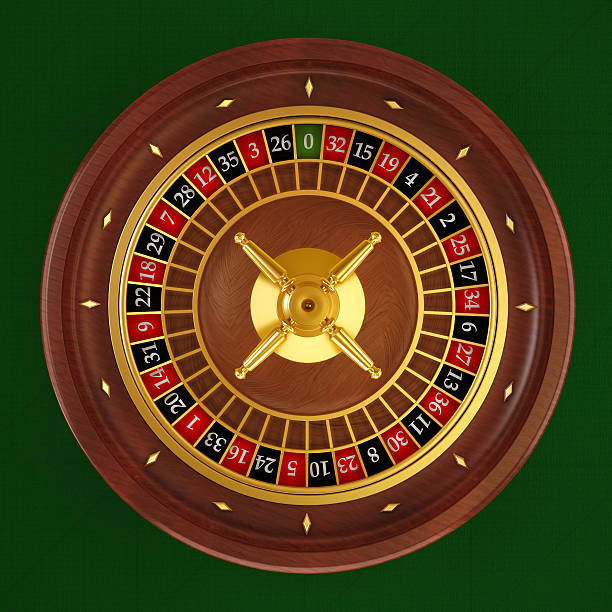
Various gaming strategies, from card counting in blackjack to betting systems in roulette, reflect a player’s attempt to gain a psychological edge over the house. These strategies often provide a sense of control and mastery, allowing players to believe they are making informed decisions rather than relying solely on chance. This perceived control can enhance the enjoyment of gambling, as players feel their skills are instrumental in the outcomes of the games.
However, successful implementation of these strategies requires psychological resilience and discipline. Players must be able to manage their emotions and resist impulsive decisions, which can be challenging in the high-stakes atmosphere of a casino. The interplay of strategy and emotional control encapsulates the complex psychological landscape that defines casino gaming.
The Social Dynamics of Gambling
The social environment of casinos adds another layer to the psychology of gaming strategies. Gambling is often a communal experience, where players share in the thrill and tension of the game. This social aspect can create a sense of camaraderie among players, enhancing the emotional stakes and encouraging longer playtimes. In many cases, players may adjust their strategies based on social interactions, which can both benefit and hinder their overall success.
Moreover, peer pressure and the desire for social validation can influence betting behaviors. In a casino, the decision to increase a bet or try a new game can be swayed by the reactions and behaviors of fellow players. This dynamic adds complexity to the strategies employed, demonstrating that casino gaming is as much about psychological interactions as it is about the games themselves.
Insights from csinvesting.org
The exploration of the psychology behind casino gaming strategies reveals intricate layers of human behavior and decision-making. For those interested in delving deeper into investment strategies and behavioral insights, platforms like csinvesting.org offer a wealth of information. Although access may be subject to security measures, the site provides valuable resources for understanding not just the mechanics of gambling, but also the broader principles of investing and strategy in uncertain environments.
Ultimately, the connection between psychology and gaming is a rich field of study that not only informs our understanding of casinos but also offers lessons applicable to various aspects of life and investment. By examining these psychological factors, individuals can approach gaming—and investing—with greater awareness and strategic insight.